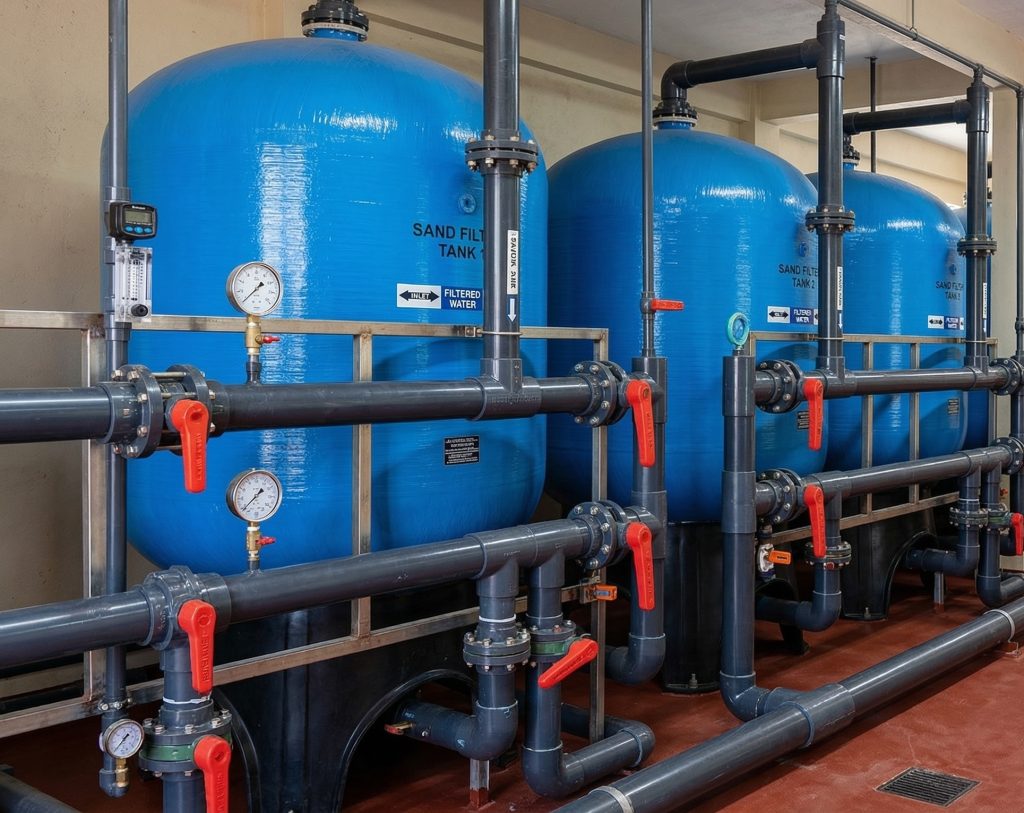
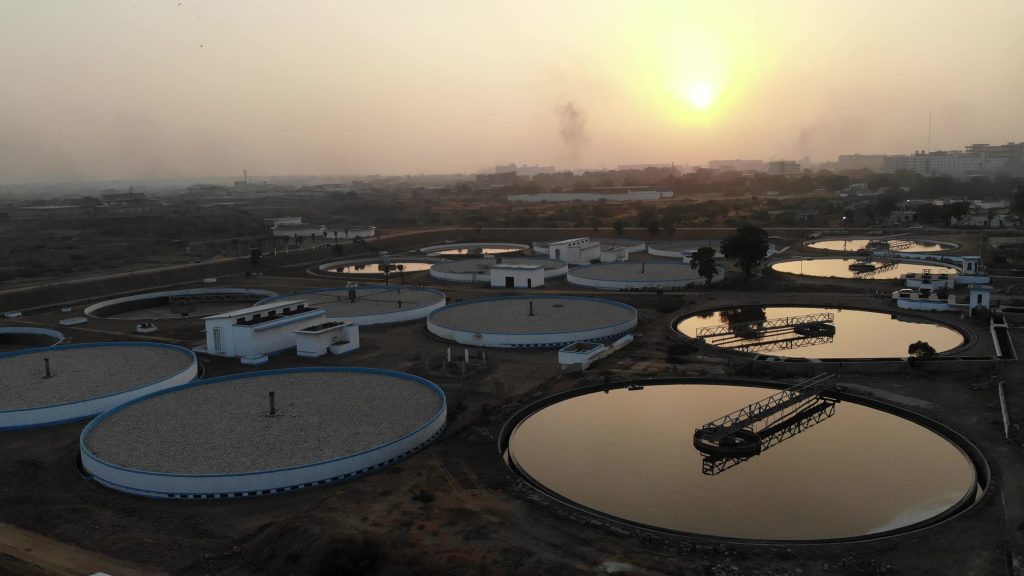
DESALINATION WATER TREATMENT PLANT
The Desalination Water Treatment Plant at Manora, Karachi is an important project designed to address the city’s growing water shortage by converting seawater into safe drinking water. Developed with an investment of about Rs427 million, the plant uses Reverse Osmosis (RO) membrane technology to produce desalinated water that meets WHO drinking water standards. The facility is designed to supply up to 500,000 gallons of potable water per day, benefiting thousands of residents of Manora Island and nearby coastal areas. By reducing dependence on tanker water and improving water security, the Manora desalination plant supports sustainable water management, coastal development, and reliable clean water supply in Karachi.
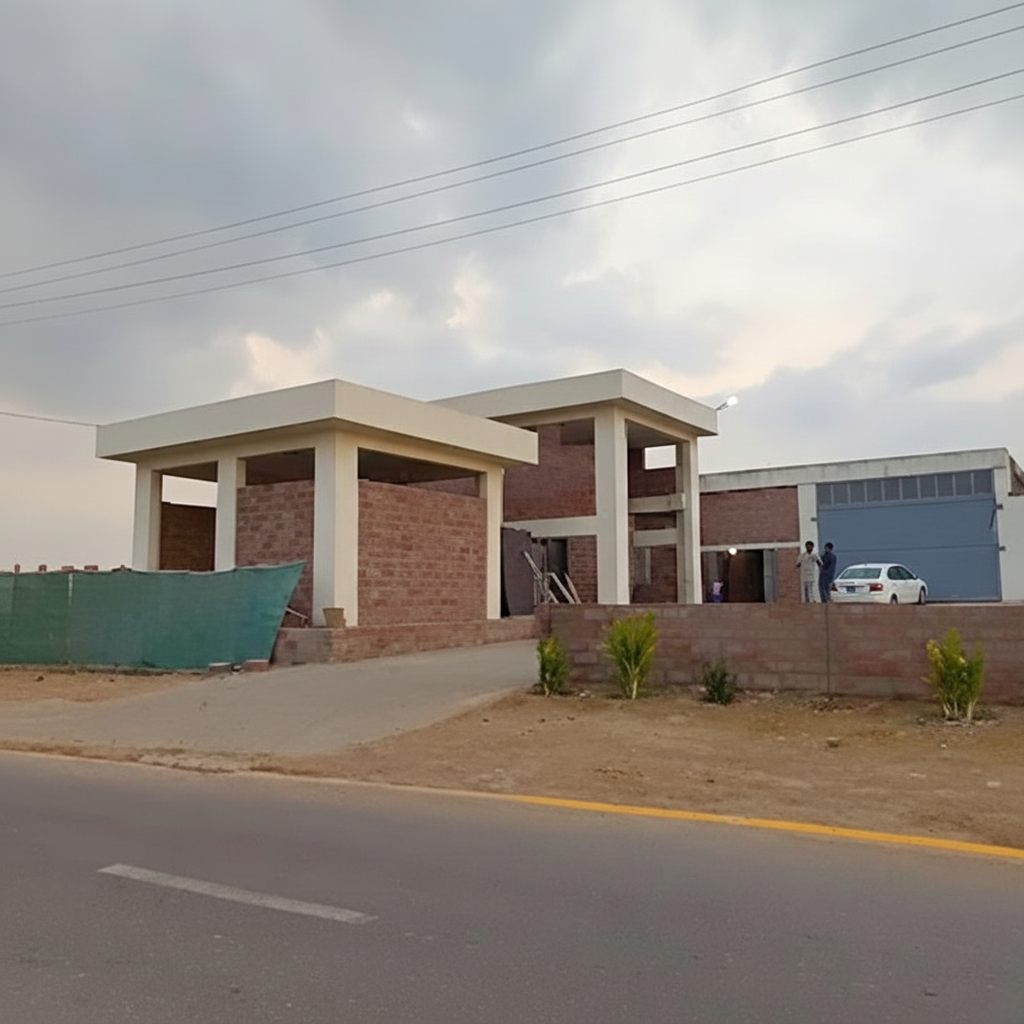
The Desalination Water Treatment Plant at Manora Island, Karachi was developed by the Government of Sindh to address chronic water shortages faced by coastal communities. The project involves installing a Reverse Osmosis (RO) seawater desalination facility capable of converting seawater from the Arabian Sea into safe drinking water for local residents.
The desalination plant was built with an investment of approximately Rs427.6 million as part of a wider development initiative for coastal infrastructure in Karachi. The project was reviewed and monitored by Syed Murad Ali Shah, the Chief Minister of Sindh, who directed authorities to ensure timely completion of the scheme.

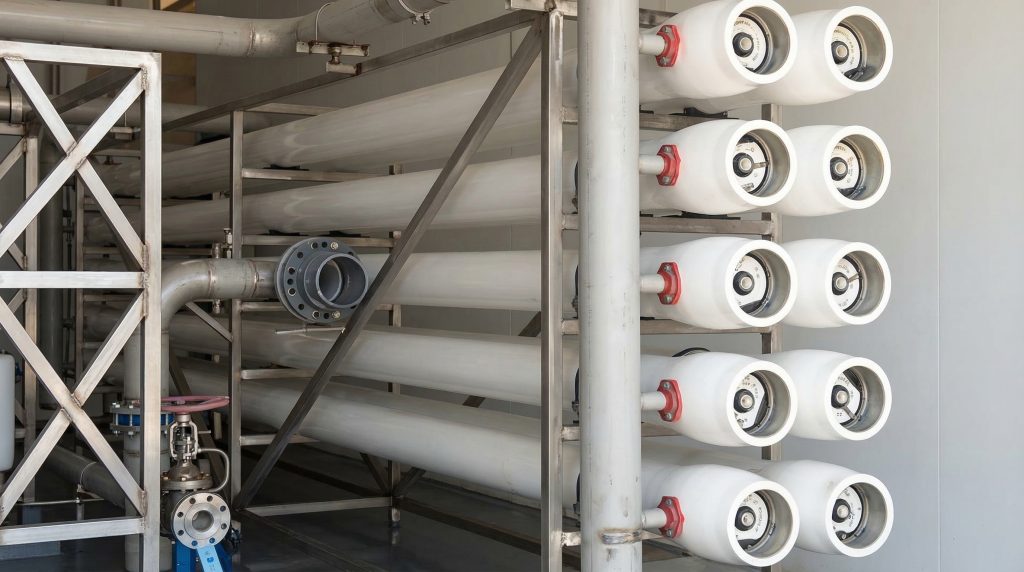
The plant was designed to supply drinking water to approximately 20,000 residents of Manora Island and surrounding coastal communities, who previously relied on tanker water or transported freshwater.
By providing a local water source, the facility reduces dependence on expensive tanker supplies and improves water security for coastal populations.
The Manora desalination plant contributes to:
- Support for coastal community development and tourism
- Sustainable water management in coastal Karachi
- Reduced pressure on freshwater resources from Hub Dam and Indus supply systems
- Improved public health through access to safe drinking water