SEWAGE TREATMENT PLANT (TP I)
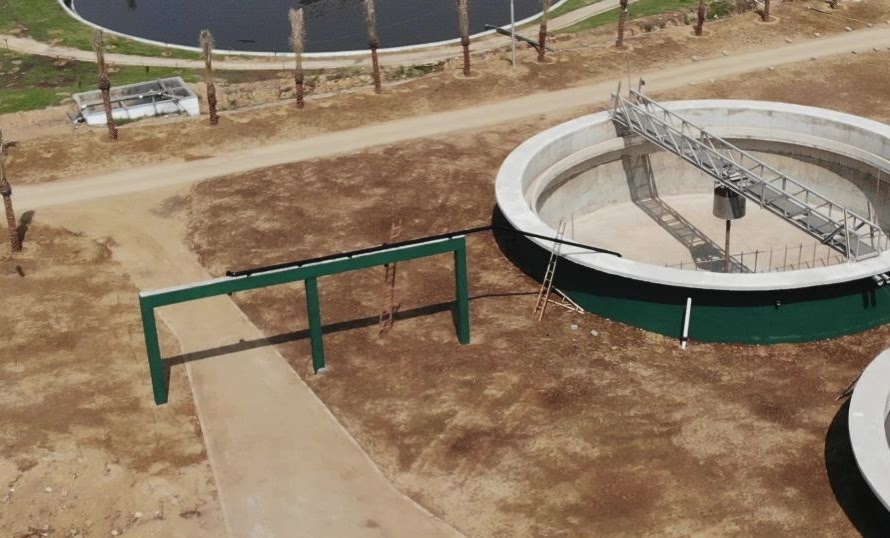
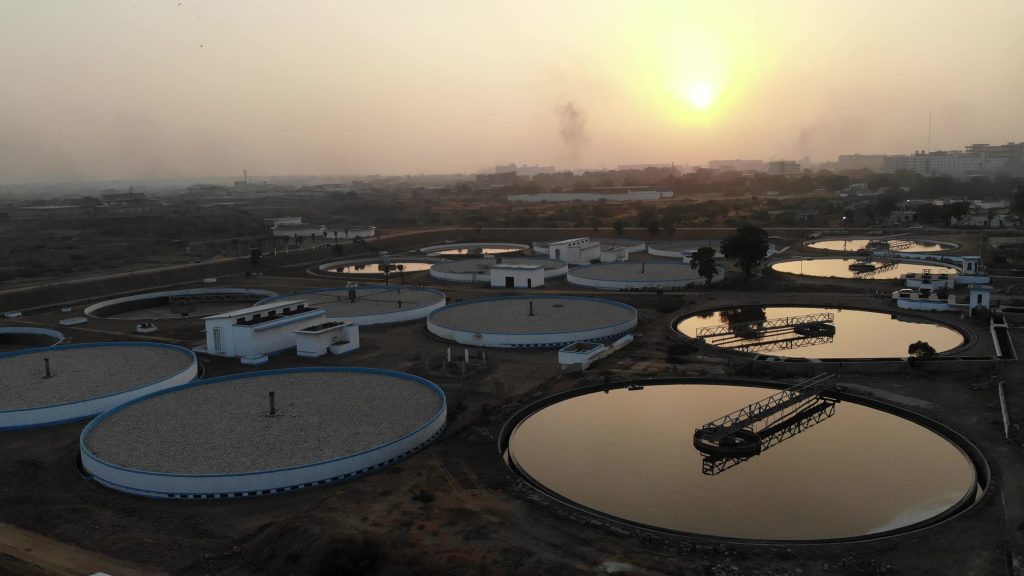
The Sewage Treatment Plant-I (TP-1) at Haroonabad, Karachi is a key infrastructure project under the Greater Karachi Sewerage Plan (S-III) aimed at improving wastewater management in the city. Designed to treat up to 100 million gallons per day (MGD) of sewage, the plant helps reduce marine pollution by preventing untreated wastewater from flowing into the Arabian Sea. The project supports environmental protection, public health, and sustainable urban development in Karachi. Treated wastewater can also be reused for industrial and agricultural purposes, helping conserve freshwater resources. Once fully operational, TP-1 will play an important role in modern sewage treatment, water recycling, and pollution control in Pakistan’s largest city.
Wastewater Pumping Station (WPS)
Pumping Waste Water from city waste water lines to the project for treatment and filtration.
Fine Screen
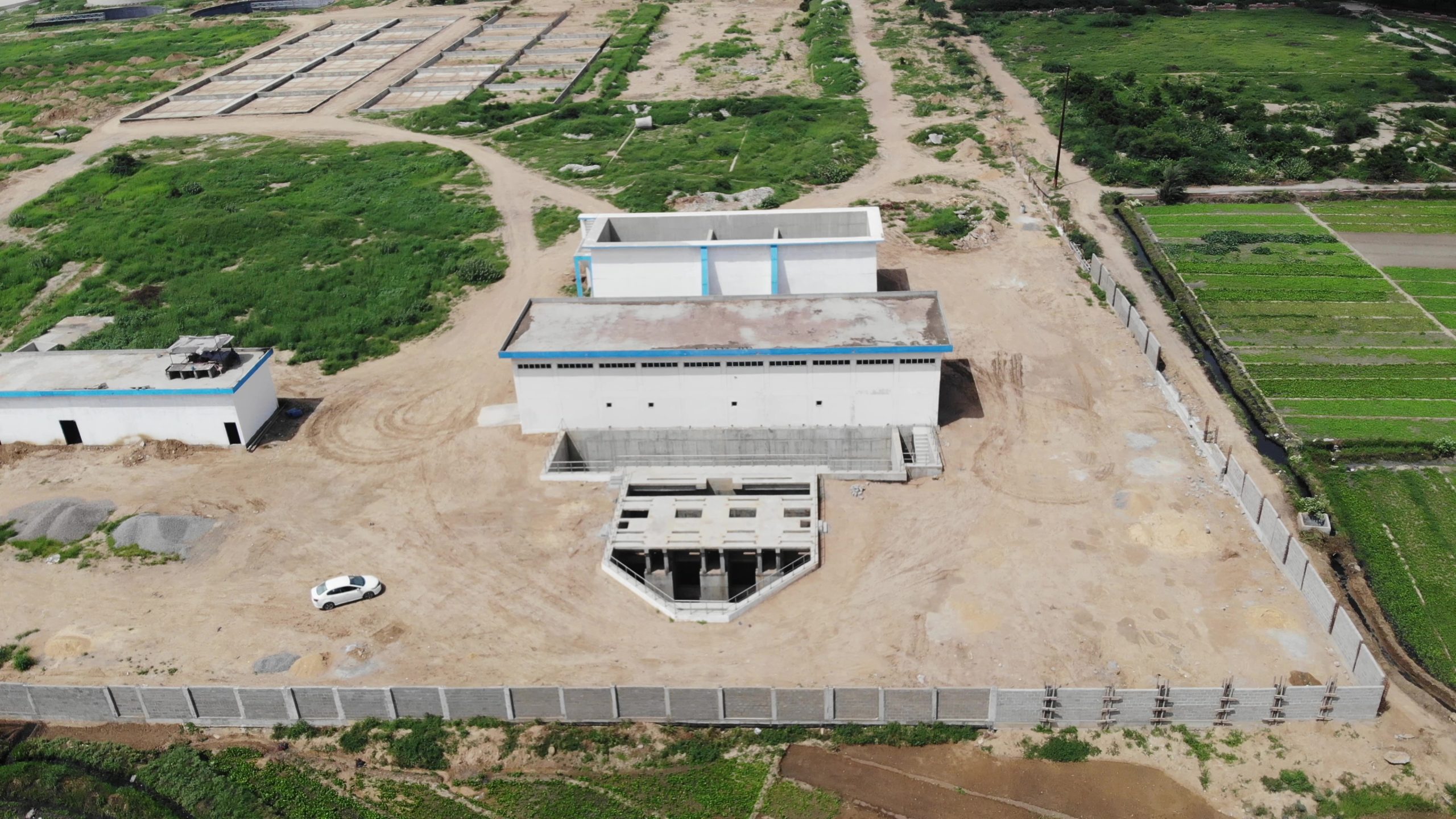
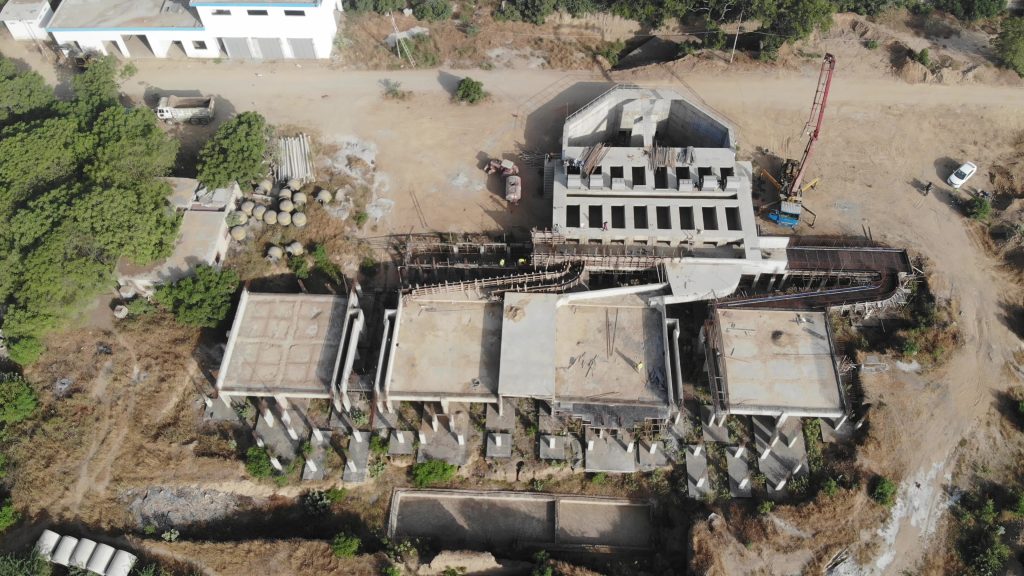
Fine screens are critical preliminary treatment components in wastewater plants that remove small, non-biodegradable solids like plastics, hair, and fibers, usually following coarse screening.
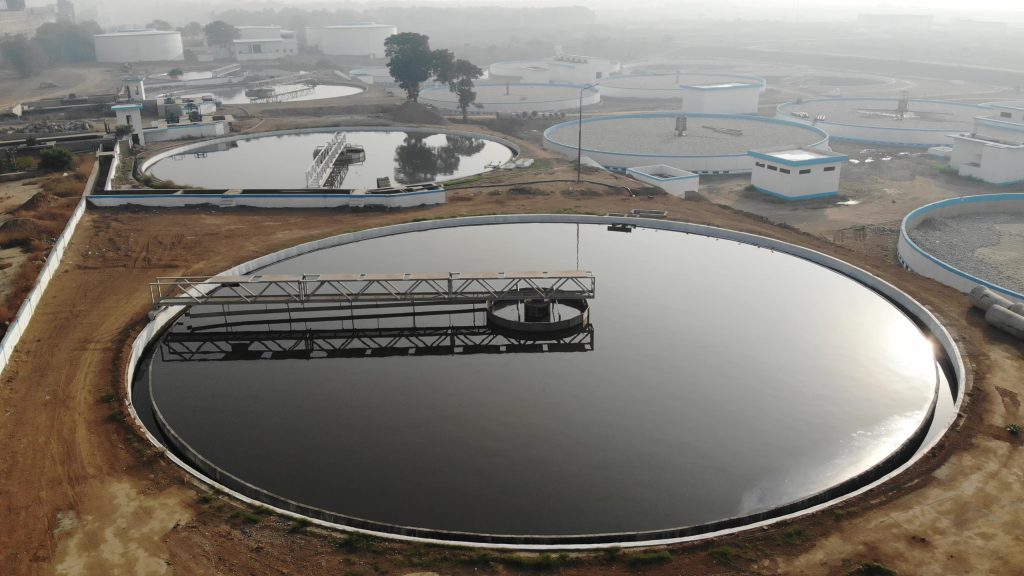
Primary Sedimentation Tank (PST)
A Primary Sedimentation Tank (PST) is a critical wastewater treatment unit designed to remove suspended organic solids and floatable materials (scum) via gravity settling
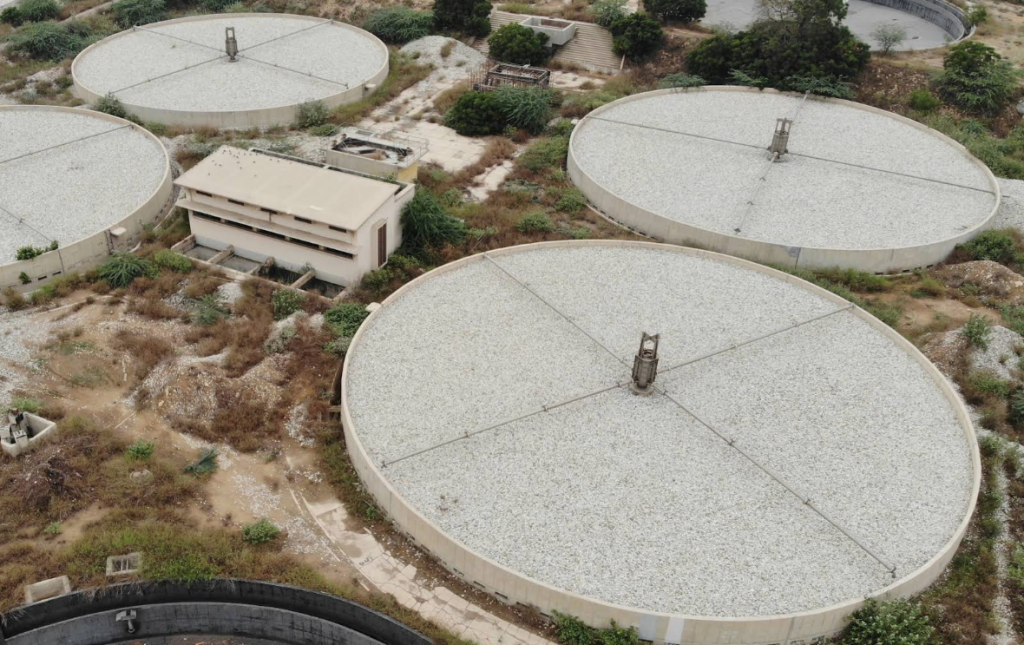
Trickling Filter Tank (TFT)
A trickling filter tank acts as a secondary, fixed-film biological treatment system designed to remove organic matter (BOD/COD) and nutrients from wastewater. It operates by allowing primary-treated wastewater to spray and trickle down over a packed bed of media (rocks, gravel, or plastic).
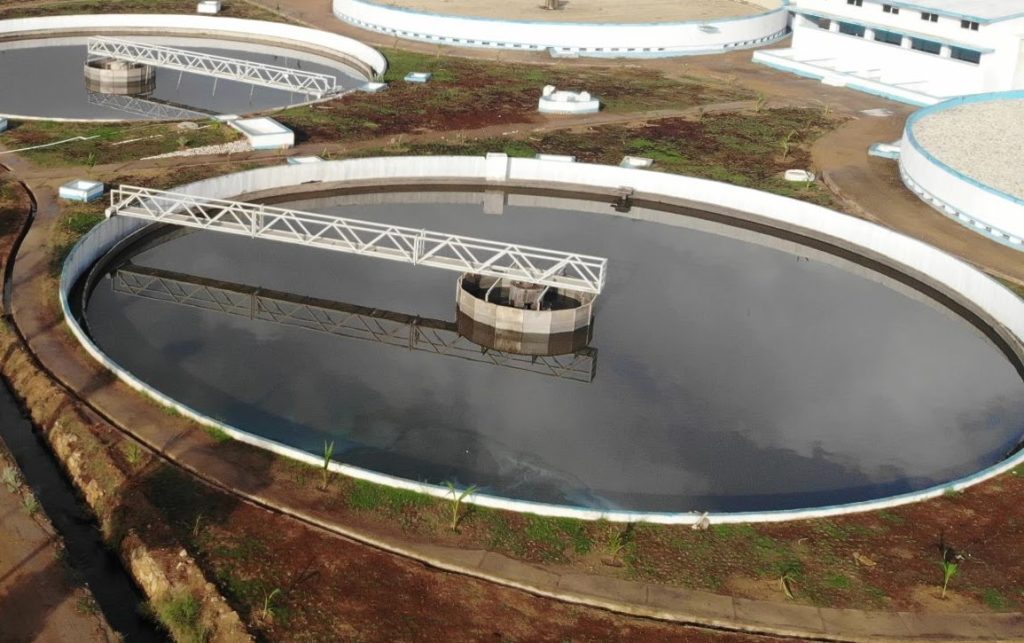
Humus Settlement Tank (HT)
A humus settlement tank plays a crucial role in the secondary treatment stage, specifically when biological filters (trickling filters) are used. Its primary function is to settle out residual solids —known as “humus sludge” or “filter humus”— that have detached (sloughed off) from the filter media.
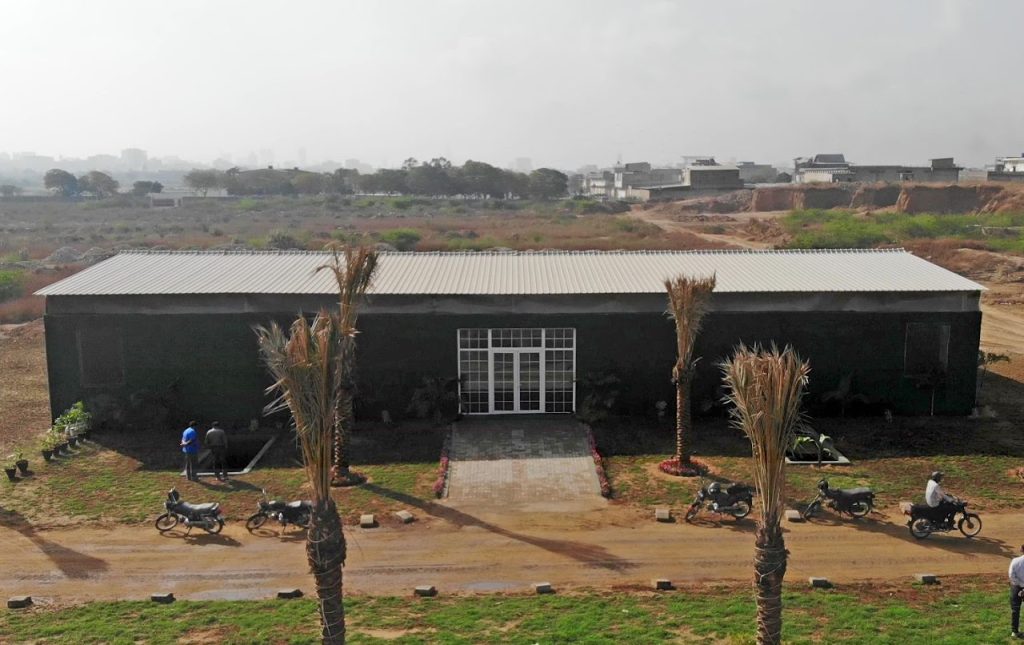
Filtration Plant (FP)
A filtration plant in a wastewater treatment plant (WWTP) serves as a critical tertiary treatment step to remove remaining suspended solids, fine particles, residual nutrients, and pathogens from treated effluent. Using sand beds, activated carbon, or membranes, it ensures the water is safe for reuse or discharge.
Clean Water Hydrant (CWH)
Clean water hydrants (also known as potable water or service water hydrants) within a wastewater treatment plant (WWTP) serve critical operational, maintenance, and safety roles, distinct from public fire hydrants. They provide a reliable source of high-quality, treated water for various industrial processes on-site.