
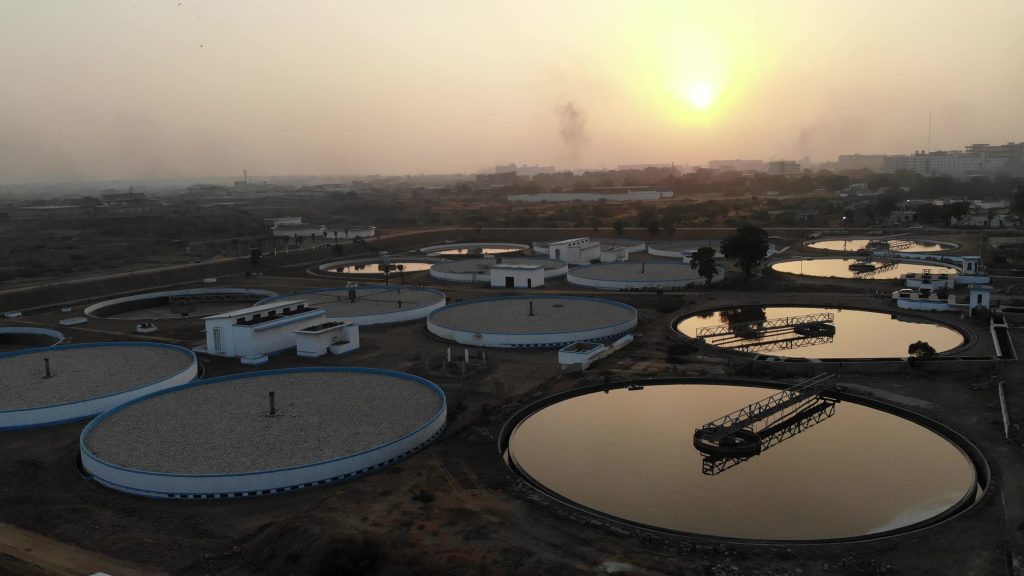
ULTRA FILTRATION PLANT (DADU)
The Ultra Filtration Plant in Dadu, Sindh is part of ongoing efforts to improve access to safe drinking water in the district, where many communities struggle with contaminated groundwater and limited water infrastructure. The plant’s development reflects the broader provincial focus on enhancing water treatment facilities, ultra‑filtration technology, and sustainable water access in rural Sindh.
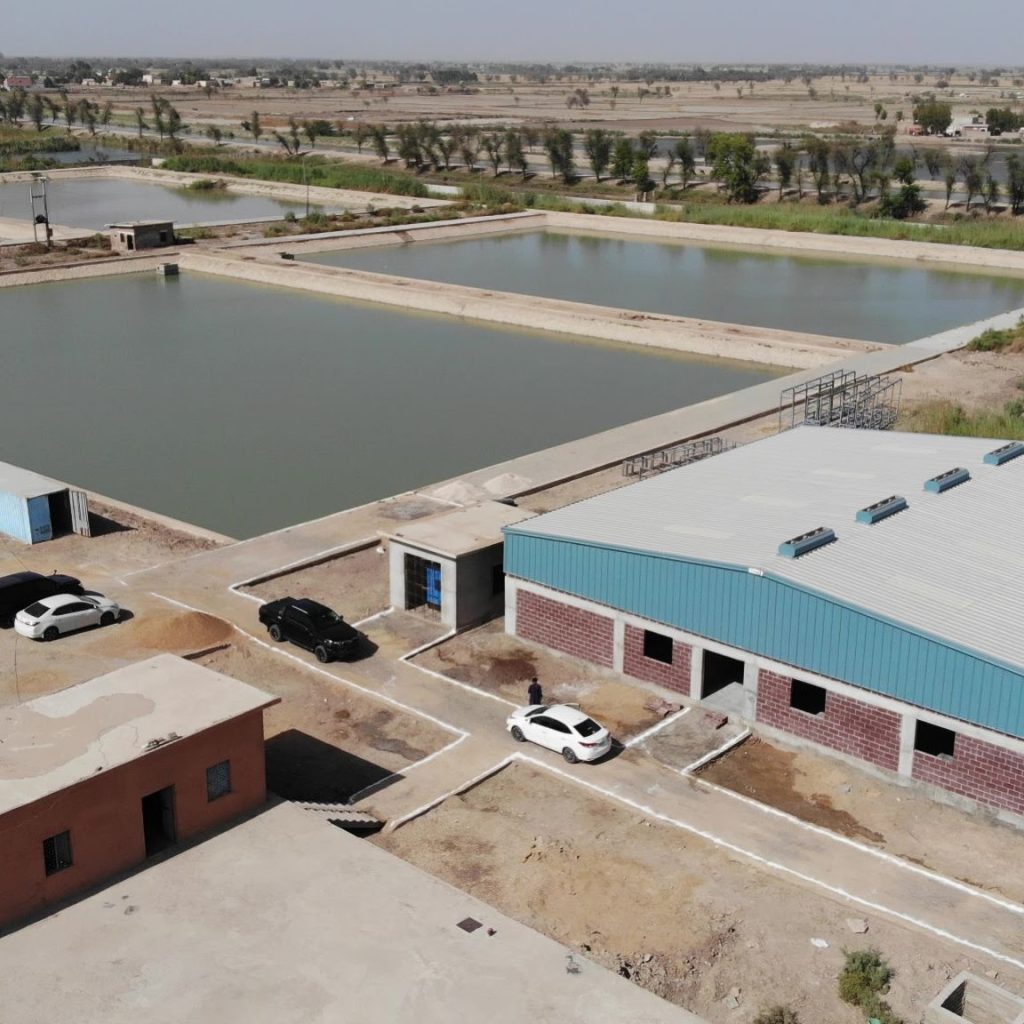
The Ultra Filtration (UF) Plant project in Dadu, Sindh was launched under the Drinking Water Hub (DWH) initiative of the Government of Sindh, implemented by the Special Initiative Department and Public Health Engineering Department. The project started in the early 2010s to tackle the severe shortage of safe drinking water in many districts of Sindh, including Dadu, where groundwater is often contaminated and unsuitable for drinking.
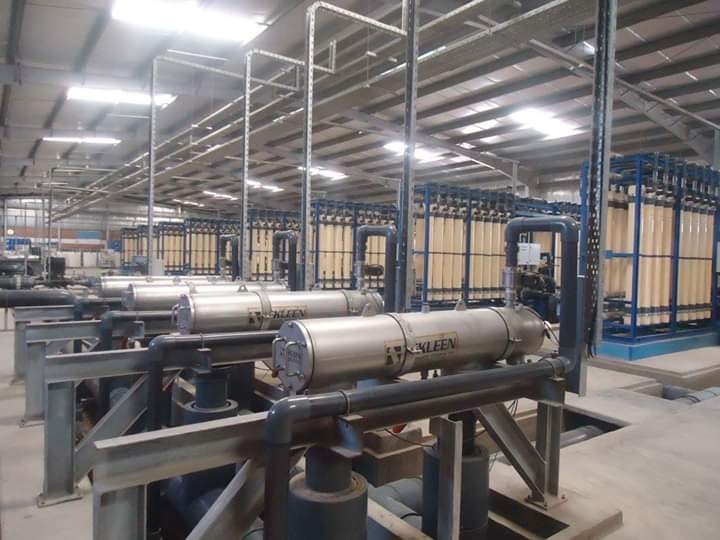
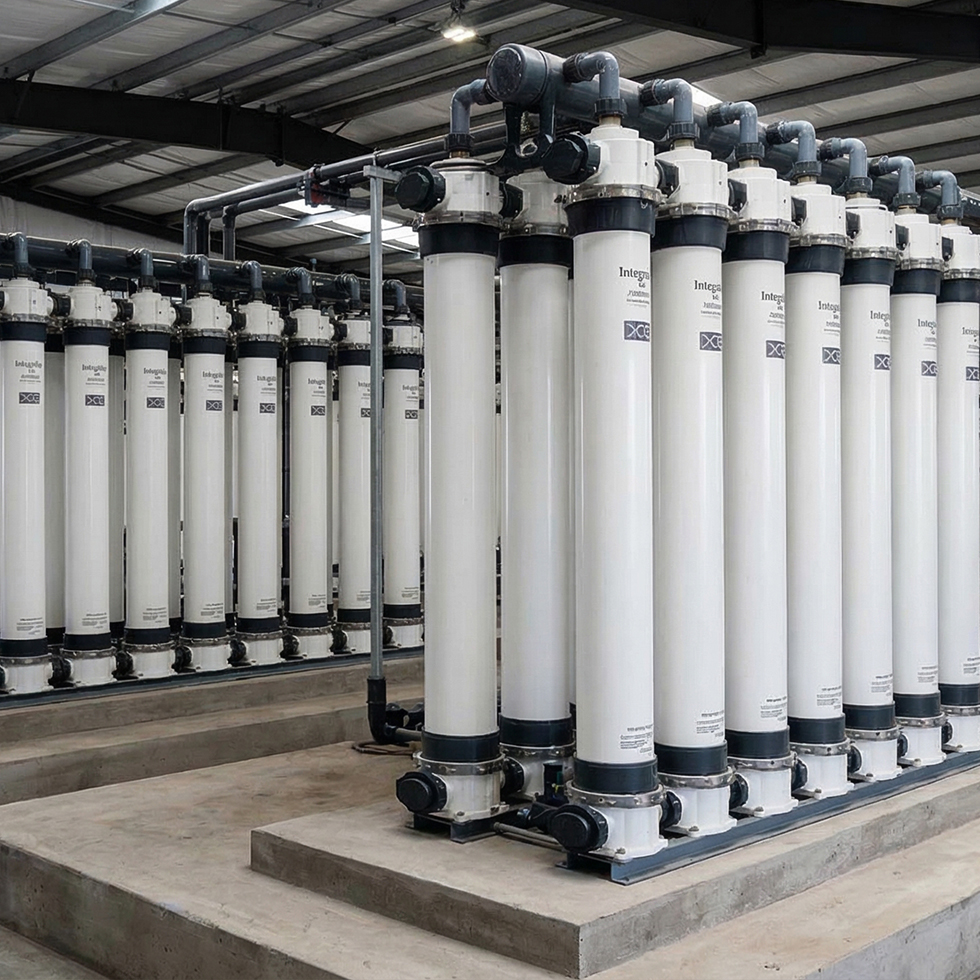
Under the program, different types of filtration systems—including Reverse Osmosis (RO), Nano Filtration, and Ultra Filtration plants—were installed across multiple districts. The UF plants were designed specifically to remove suspended solids, turbidity, and microorganisms from water sources using membrane filtration technology.
In the first phase of the program, hundreds of filtration plants were installed across Sindh, including in Dadu district, with the total project cost exceeding Rs 3 billion, later revised to approximately Rs 3.86 billion. These plants were intended to supply clean and safe drinking water to rural communities that lacked proper water infrastructure.
The plants were usually installed in villages and small towns where people depended on contaminated groundwater. Many communities in Dadu were expected to benefit from these facilities because thousands of residents rely on unsafe water sources that contribute to water-borne diseases and health problems.
Overall, the Ultra Filtration Plant initiative in Dadu was designed to improve rural water supply, reduce water contamination, and provide affordable safe drinking water. Despite its strong objectives, the long-term success of the project depends on proper operation, maintenance, and monitoring of the filtration plants.